We are located at 2950 NW 29th Ave, Portland Oregon 97210 – 503-764-9963 Open Mon-Fri - 8am-5pm

Styrofoam & Plastic Recycling

Recycle Styrofoam (expanded polystyrene or EPS), polyethylene foam, plastic film, and accepted rigid plastics in Portland. This guide shows what Green Century Recycling accepts, what we cannot accept, current fees, and how to clean, sort, and prepare each material for drop-off or pickup.

Accepted Materials →
Materials Not Accepted →
Material Preparation →

Our Location

Green Century Recycling
2950 NW 29th Ave.
Portland, OR 97210

Sorting Required

Separate materials into the required categories before drop-off or pickup.

EPS and Plastic Materials We Accept

Green Century Recycling accepts several categories of EPS, plastic film, and rigid plastic materials. Select a material below to view accepted types, preparation requirements, and applicable recycling fees.View Fees ➜

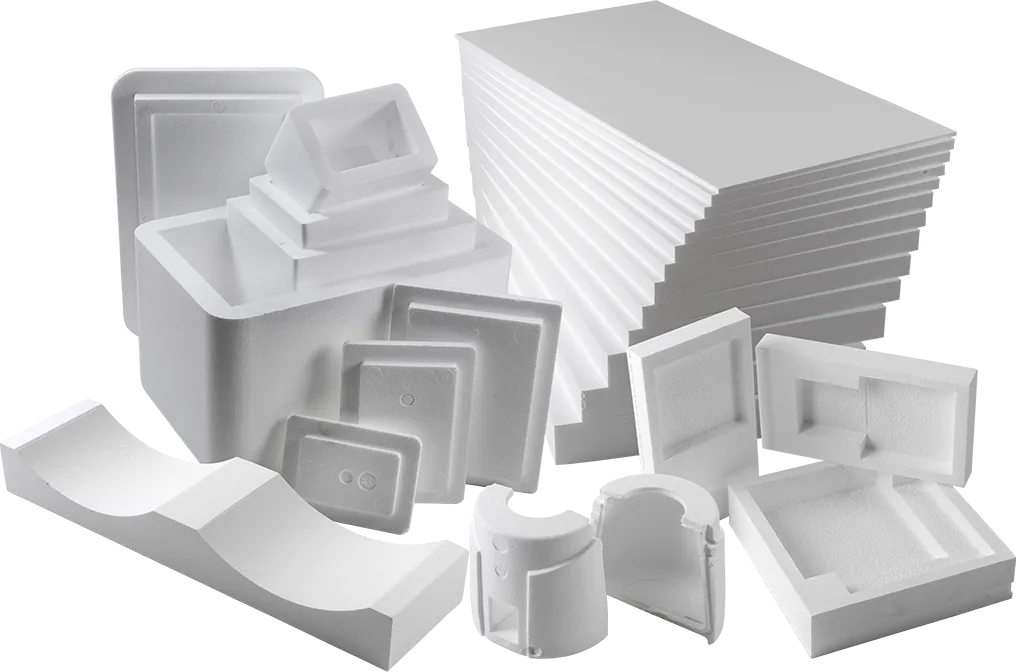
Styrofoam (EPS #6) and XPS Foam

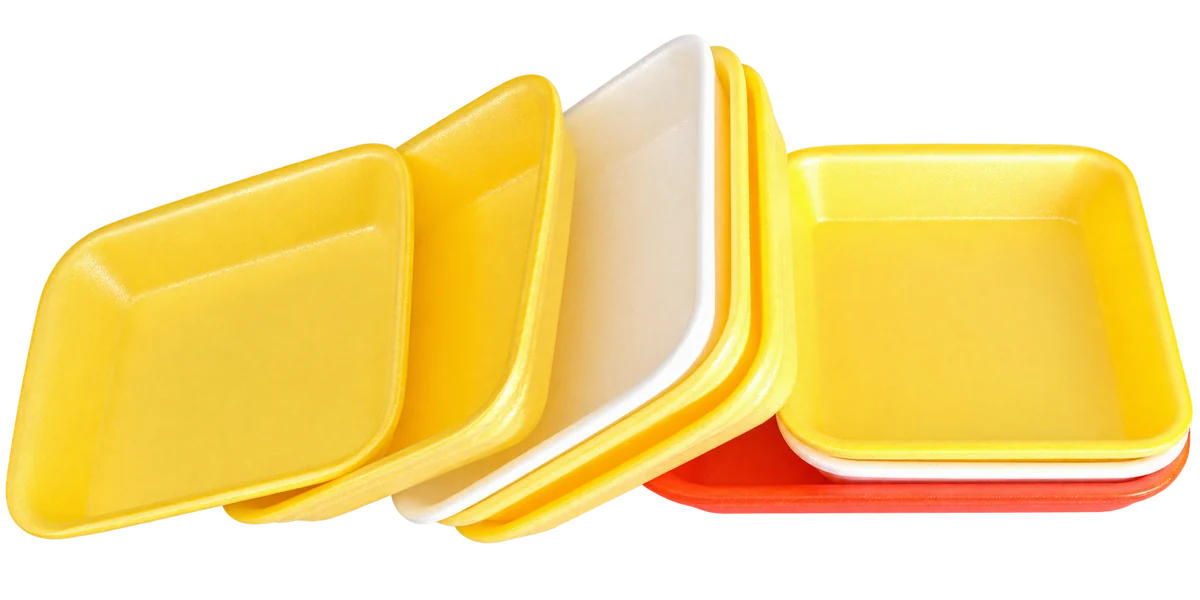
Clean white #6 EPS expanded polystyrene packaging foam and rigid foam boards accepted for recycling in PortlandClean colored #6 EPS food and meat trays accepted as Grade B polystyrene foam

Common name: Styrofoam and rigid foam. Industry terms: expanded polystyrene (EPS), extruded polystyrene (XPS), resin code #6 PS.

Accepted

  • Grade A EPS: clean white block packaging foam; clean white XPS rigid board; foam that snaps when bent.
  • Grade B EPS/XPS: clean foam with a small printed logo or UV discoloration; colored #6 trays and egg cartons; clean foam cups; pink, blue, or gray XPS insulation; clean, dry geoblocks.
  • Packing peanuts: white or pink EPS #6 peanuts only. Starch-based or compostable peanuts are not accepted.

Prepare it: keep every piece clean, dry, and separated by Grade A, Grade B, and packing peanuts. Remove tape, cardboard, laminate, nails, glue, paint, ink contamination, and food residue.
Plastic Film (LDPE/HDPE)

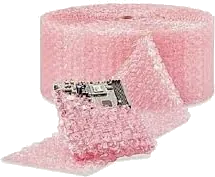
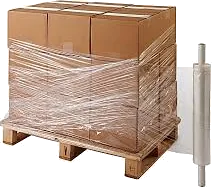
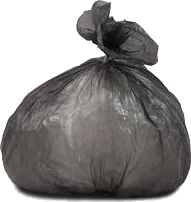
Clear pallet stretch wrap accepted in the LDPE and HDPE plastic-film recycling programClean dry plastic bag accepted in the LDPE and HDPE plastic-film recycling programPink anti-static bubble wrap accepted in the plastic-film recycling program

Common names: stretch wrap, plastic bags, bubble wrap, and flexible plastic packaging. Industry terms: low-density polyethylene (LDPE) and high-density polyethylene (HDPE) film.

Accepted

  • Pallet and hand stretch wrap
  • Air pillows, plastic mailers, and clean bubble wrap
  • Produce, newspaper, bread, grocery, and dry-cleaning bags
  • Case overwrap from water bottles, paper towels, and toilet paper
  • Clean pink anti-static bags and bubble wrap

Prepare it: keep film clean and dry, remove receipts, empty every bag, and group film separately from rigid plastic. Paper-laminated bubble mailers are not accepted.

Rigid Plastics (#1, #2, #4, #5 and #6)

Rigid Plastics: Read the Resin Number First

Common name: hard or rigid plastic containers. Industry terms: #1 polyethylene terephthalate (PET), #2 high-density polyethylene (HDPE), #4 low-density polyethylene (LDPE), #5 polypropylene (PP), and #6 polystyrene (PS). Find the molded recycling number on every item. Shape alone does not identify the plastic. Items must be clean, dry, and sorted into separate bags or containers by resin number.

#1 PET: Clear, Uncolored Containers

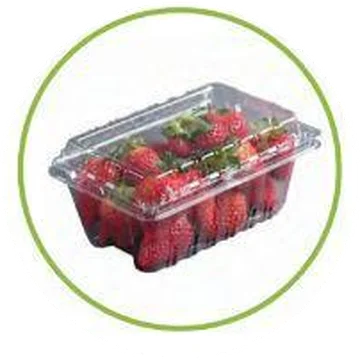
Clear number 1 PET berry clamshell container accepted for rigid plastic recycling
Clear clamshells#1 PET
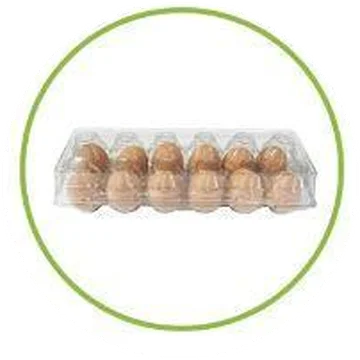
Clear number 1 PET plastic egg carton accepted for rigid plastic recycling
Clear egg cartons#1 PET
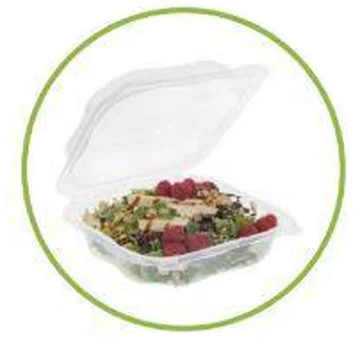
Clear number 1 PET takeout food container accepted for rigid plastic recycling
Clear to-go containers#1 PET
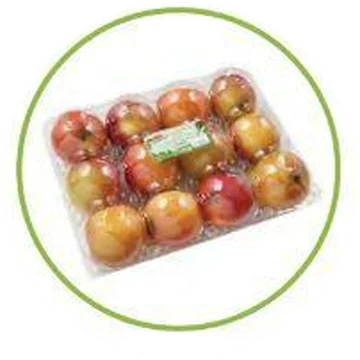
Clear number 1 PET apple produce case accepted for rigid plastic recycling
Clear produce cases#1 PET

Marked #2 HDPE, #4 LDPE, #5 PP or #6 PS Items

Cold drink cup and lid accepted when marked with an approved rigid plastic resin number
Cold-drink cups and lidsCheck the molded number
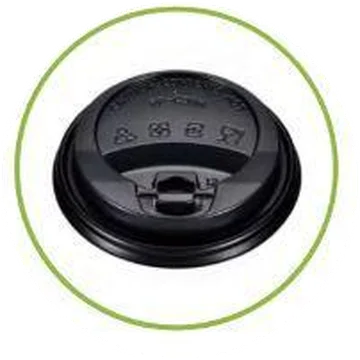
Hot drink lid accepted when marked with an approved rigid plastic resin number
Hot-drink lidsCheck the molded number
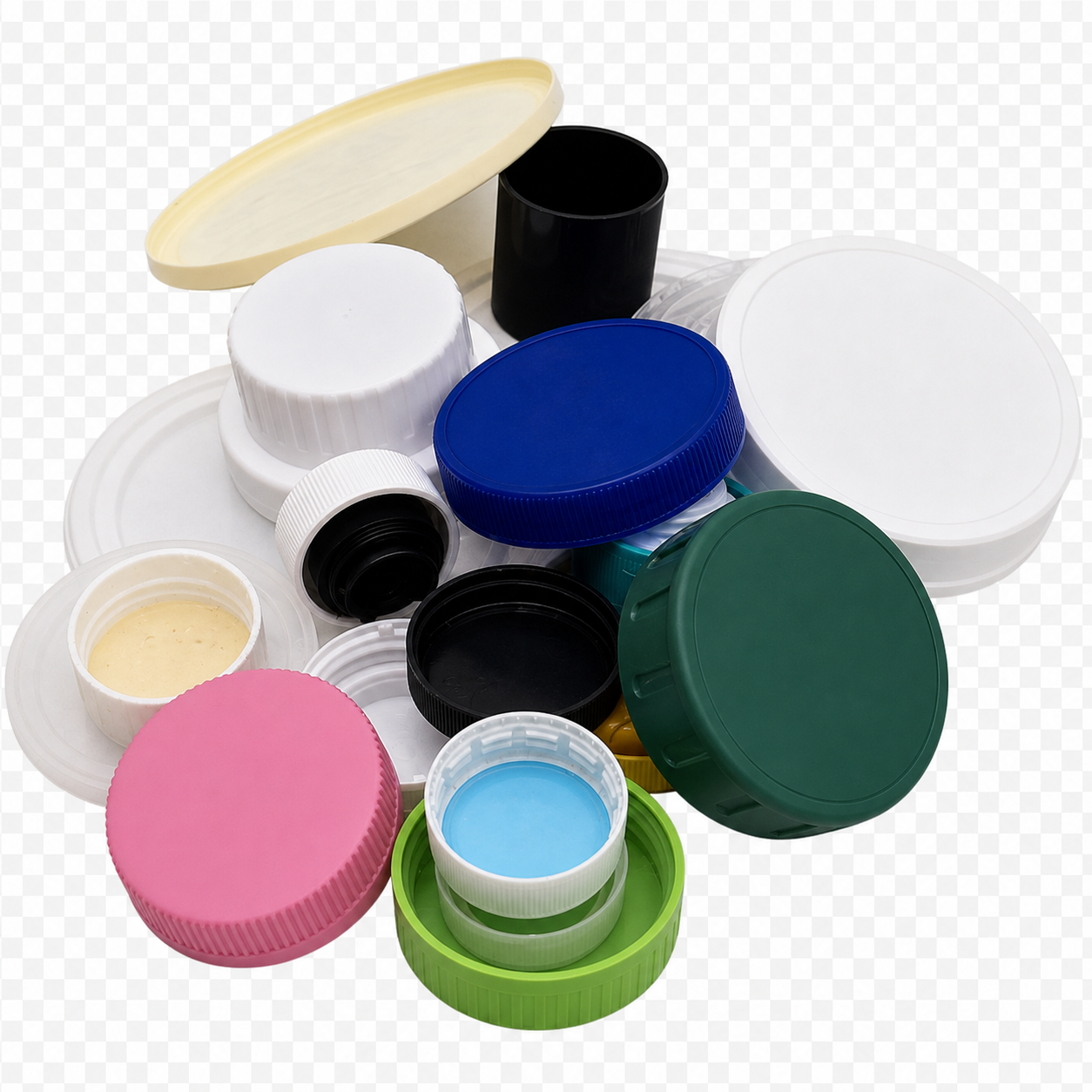
Assorted rigid plastic lids and caps accepted when marked number 2, 4, 5, or 6
Rigid plastic lids#2, #4, #5 or #6
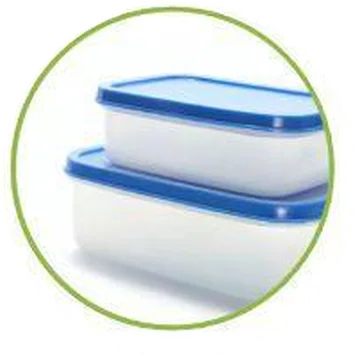
Food storage containers accepted when marked number 2, 4, 5, or 6
Food-storage containers#2, #4, #5 or #6

More Accepted Marked Rigid Plastics
Miscellaneous rigid plastic container accepted when marked number 2, 4, 5, or 6
Other marked containers#2, #4, #5 or #6
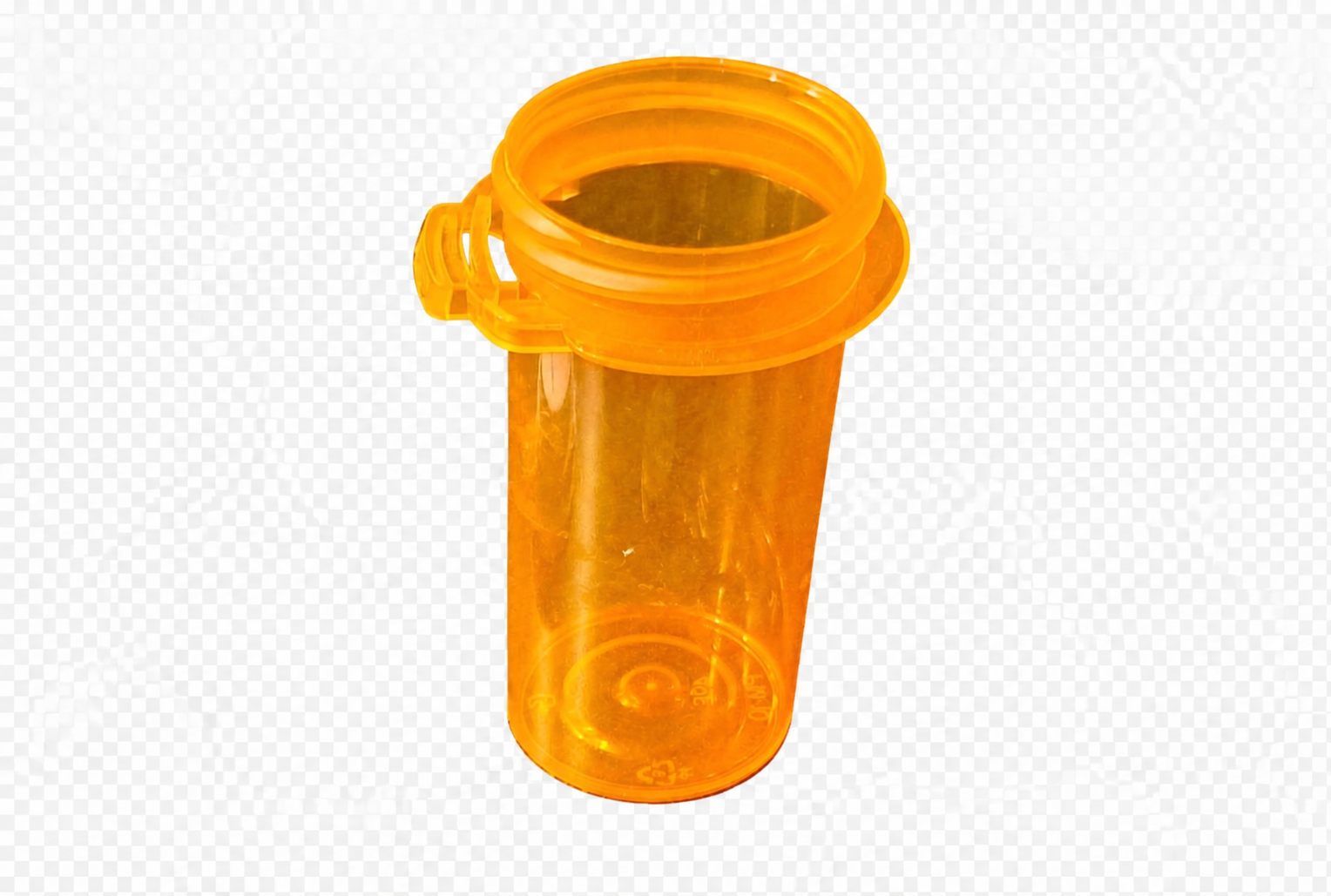
Open orange prescription bottle without a cap, accepted when marked with an approved rigid-plastic resin number
Prescription bottlesCaps go with rigid plastic lids
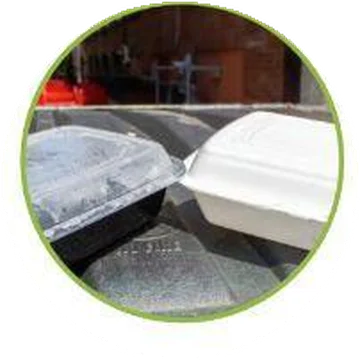
Takeout containers accepted when marked number 2, 4, 5, or 6
Takeout containers#2, #4, #5 or #6
PakTech rigid plastic beverage can handles accepted for specialized recycling
PakTech can handlesClean and grouped

Prepare and Sort Rigid Plastics

Empty every item, remove food and residue, wash when needed, and let it dry. Confirm the resin number and place each number in its own bag or container. Do not mix rigid plastic with plastic film or Styrofoam. Rigid-plastic recycling is currently $3 per grocery-sized bag.

How to Prepare Materials for EPS and Plastic Recycling

Follow these five steps before bringing materials to Green Century Recycling. Keeping materials clean, dry, and correctly separated helps prevent rejected loads.

Identify the Material

Look for the molded resin number when one is present. Separate EPS/XPS foam, LDPE foam, plastic film, and rigid plastic.

Clean It

Remove food, liquids, dirt, tape, cardboard, laminate, nails, glue, paint, and other attached materials.

Dry It Completely

Let every item dry before drop-off or pickup. Wet or damp material may be rejected.

Sort It

Keep EPS Grade A, EPS Grade B, packing peanuts, LDPE foam, plastic film, and each rigid-plastic resin number in separate groups.

Bag It Correctly

Use 45-gallon bags for foam services. Use grocery-size bags for rigid plastics, keeping each resin-number group separate.
Before you arrive: Materials that are wet, dirty, contaminated, or incorrectly sorted may be refused at drop-off or pickup.

Commercial and Truck Loads

Commercial recycling services and dock appointments are handled through Green Century Recycling. Visit the commercial website for service information and scheduling. Visit GreenCenturyOnline.net →

Current Styrofoam, EPS and Plastic Recycling Fees

Current fees reflect the specialized handling and processing required for these materials. Clean, sorted LDPE/HDPE plastic film is currently accepted free of charge. Foam and rigid-plastic fees are listed below.

Styrofoam (EPS #6) foam dropped off in a 45-gallon bag

$10.00 each

Styrofoam (EPS #6) foam collected with pickup service in a 45-gallon bag

$20.00 each

Plastics #1 PET, #2 HDPE, #4 LDPE, #5 PP,
and #6 rigid PS in a grocery-size bag

$3.00 each

How to Identify Materials We Cannot Accept

Materials We Cannot Accept

These materials cannot be processed in our EPS, polyethylene foam, plastic-film, or rigid-plastic programs. Use the photos and descriptions below to identify common problem materials.
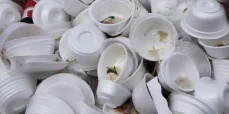
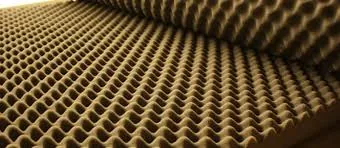
Dirty and food-contaminated foam that is not accepted
Dirty or food-contaminated foamWet, greasy, painted, or food-soiled foam cannot be recycled.
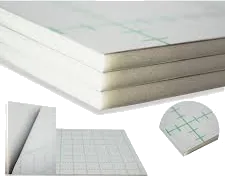
Foam with laminate or adhesive backing that is not accepted
Laminated or glued foamFoam bonded to cardboard, fabric, plastic film, glue, or another layer.
Adhesive-backed foam that is not accepted
Adhesive-backed foamPeel-and-stick foam, foam tape, and products with permanent adhesive.
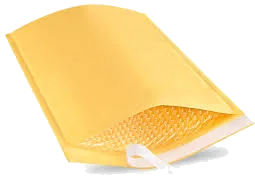
Paper-laminated bubble mailer that is not accepted
Paper bubble mailersPaper-laminated padded mailers are mixed materials and cannot go with film.
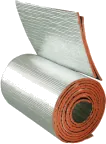
Foil-faced laminated foam insulation that is not accepted
Foil-faced insulationFoam board with foil, paper, facer, or membrane attached is not accepted.
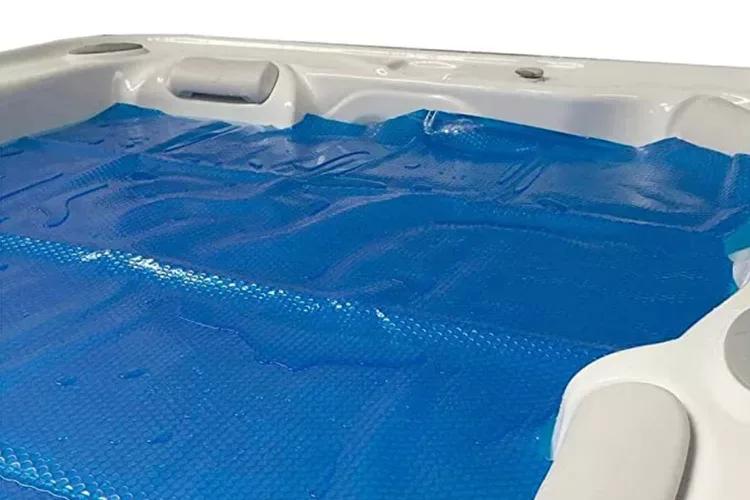
Hot-tub cover made from mixed materials that is not accepted
Hot-tub coversMixed foam, vinyl, fabric, hardware, and waterlogged cores make these unacceptable.
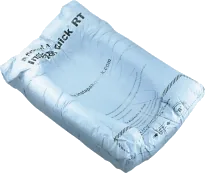
Instapak plastic-wrapped expanding foam packaging that is not accepted
Instapak expanding foamPlastic-wrapped expanding foam packaging is a mixed-material product.
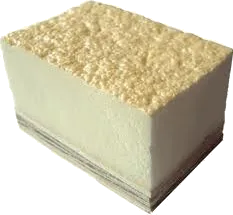
Cured polyurethane spray foam block that is not accepted
Spray polyurethane foamCured spray foam and expanding construction foam are polyurethane, not EPS.
Open-cell polyurethane foam that is not accepted
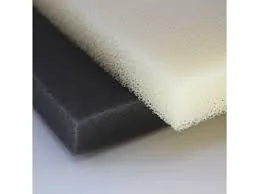
Open-cell polyurethane foamSoft, flexible, sponge-like open-cell foam is not accepted.
Polyurethane foam board that is not accepted
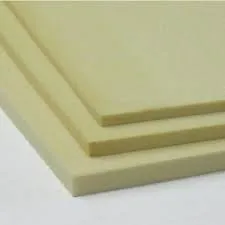
Polyurethane foam boardRigid polyurethane or polyisocyanurate board is not EPS or XPS.
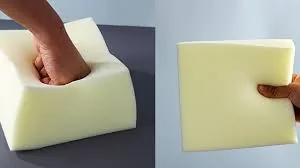
Upholstery and cushion foam that is not accepted
Upholstery and cushion foamFurniture cushions, mattress foam, and soft padding are polyurethane foam.
The number alone is not enoughAn accepted resin number does not make every foam, film, or mixed-material product acceptable.

Check Both the Material and Its Form

Helpful information: a resin number may be accepted in one physical form but rejected in another. Selected rigid #1 PET and #5 PP containers may be accepted, while polyurethane cushion foam, laminated foam, and mixed-material products are not. When unsure, identify both the resin and whether the item is foam, film, or rigid plastic.

Prevent Contamination

Proper preparation and sorting help keep recycling streams clean and reduce rejected materials.

Support Safe Handling

Proper preparation and separation help support safer handling of materials that require special processing.

Reduce Waste

Keep accepted EPS and plastic materials out of the general waste stream through responsible recycling.

Support Responsible Recycling

Proper recycling helps ensure accepted materials are directed through appropriate processing channels.

Responsible EPS and Plastic Recycling

 EPS and Plastic received by Green Century Recycling follows a responsible process—from collection and proper handling to sorting, recycling, and responsible material recovery.

We Collect

Accepted EPS and Plastic materials are received through available recycling options.

We Sort

Materials are separated by type to support appropriate handling, processing, and recycling.

We Recycle

Accepted materials are directed through appropriate recycling channels for responsible processing and material recovery.